

Are you curious about whether water purifiers can remove fluoride from your drinking water? You’re not alone. Different purification methods vary in effectiveness. Reverse osmosis systems stand out, filtering 95% of fluoride. Meanwhile, activated carbon filters do a fair job but aren’t as thorough. Tap water often contains added fluoride to fight cavities.
However, too much can lead to issues like dental fluorosis. It’s important to know your water’s fluoride concentration. For those seeking peace of mind, investing in a fluoride water filter can be wise. Always check the water filter lab results to ensure effectiveness. After all, understanding how filters remove fluoride is crucial for safe consumption.
Key Takeaways
- Reverse osmosis systems effectively remove fluoride, filtering up to 95% from drinking water.
- Activated carbon filters remove fluoride but are less effective compared to other methods.
- Distillation removes fluoride well, but it’s energy-intensive and costly.
- Consider fluoride concentration in tap water when choosing a water purifier.
- Regular maintenance of water filters ensures continued removal of fluoride and other contaminants.
What are the Safe Levels of Fluoride Consumption
Fluoride levels in drinking water are crucial for dental and skeletal safety. The EPA sets a maximum level of 4.0 mg/L, with 0.7 mg/L recommended to prevent issues like dental fluorosis. When considering whether water purifiers remove fluoride, options vary.
Reverse osmosis remains a top choice, removing up to 95% of fluoride, while activated carbon filters show limited success. Filters remove fluoride with varying efficiency, making it essential to test water samples to ensure safety. To better understand fluoride removal, see the research by Meenakshi and Maheshwari, who explored fluoride’s impact on water safety and treatment methods.
|
Water Treatment Method |
Efficiency in Fluoride Removal |
Cost |
Energy Consumption |
|---|---|---|---|
|
Reverse Osmosis |
High |
Moderate |
Moderate |
|
Distillation |
High |
High |
High |
|
Activated Carbon |
Low to Moderate |
Low |
Low |
|
Fluoride Water Filter |
Variable |
Variable |
Variable |
Health Implications of Fluoride Exposure
The possible effects of fluoride exposure on human well-being extend beyond just teeth. While drinking water with fluoride supports dental hygiene, excessive exposure might pose risks. It could alter DNA structure, potentially affecting organs like the brain and bones.
Concerns about fluoride levels often lead people to consider if water purifiers remove fluoride effectively.
Reverse osmosis is a robust method to tackle this issue, excelling in reducing fluoride concentration. It’s essential to assess water samples, as purification methods vary. Interestingly, studies like those by Miyake and Iki highlight similar inquiries about other water qualities like water hardness.

Types of Water Purifiers Available
Among the purifiers available, activated carbon filters, reverse osmosis, and distillation offer viable options. Activated carbon filters are commonplace and can partially tackle fluoride but specialize more in removing other impurities.
Reverse osmosis, on the other hand, excels at filtering fluoride concentration, making it ideal for those worried about drinking water fluoride. Distillation is a thorough process, yet its energy demands can be a drawback.
When choosing, consider water samples to determine the best water purifier based on specific needs. A well-chosen fluoride water filter ensures a healthier, safer glass of tap water, addressing concerns about water hardness and more.
Activated Carbon Filters and Fluoride
When considering how activated carbon filters tackle fluoride, it’s clear they offer limited results. These filters are well-known for removing chlorine and certain organic compounds, but they fall short on fluoride. Many wonder, do water purifiers remove fluoride effectively?
| Image | Title | Price | Prime | Buy |
|---|---|---|---|---|
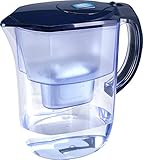 | Ehm Ultra Premium Alkaline Water Filter Pitcher - 3.8L, Activated Carbon Filter- BPA Free, Healthy, Clean, & Toxin-Free Mineralized Alkaline Water in Minutes- Up to 9.5 pH-2023 | PrimeEligible | Buy Now On Amazon |
The answer is complicated, with activated carbon filters not being the most reliable option for this task. Their ability to filter fluoride decreases rapidly, leaving many users dissatisfied. Those seriously concerned about fluoride concentration should explore other methods. In conclusion, while activated carbon filters may address some water issues, the quest for a robust fluoride water filter continues.

Reverse Osmosis for Fluoride Removal
Removing fluoride from drinking water often involves reverse osmosis, a method known for its effectiveness. This process uses a semipermeable membrane to filter out up to 95% of fluoride, making it a reliable choice for those questioning, “do water purifiers remove fluoride?” However, the efficiency of fluoride water filters can differ.
Laboratory Water Testing
Lab tests, like those referenced in studies on Community Dent Oral Epidemiol, underscore the importance of assessing each filter’s performance.
For optimal fluoride reduction, evaluating water samples and considering specific fluoride concentration becomes crucial.

Distillation Process for Water Purification
Navigating the distillation method for purifying water, this process efficiently reduces fluoride and other contaminants. By boiling water and capturing the steam, impurities are left behind, ensuring cleaner drinking water. However, distillation’s energy demands make it less appealing for many.
A water filter lab often reveals that while this method excels, it isn’t the most convenient choice. Do water purifiers remove fluoride, you ask? Options like reverse osmosis or specific fluoride water filters are more practical for routine use.
Comparing these approaches highlights the importance of assessing water samples and needs before committing to a purification solution.
Evaluating Water Purifier Effectiveness
Assessing how well a water purifier performs is crucial for maintaining safe fluoride levels. Some systems, like reverse osmosis, effectively filter fluoride concentration, while others, such as activated carbon filters, may not.
A fluoride water filter’s efficiency can vary, necessitating lab tests to validate claims. Reverse osmosis often stands out, removing significant fluoride amounts from drinking water. Meanwhile, distillation, though effective, is less practical due to energy costs.
Understanding these methods aids in ensuring effective fluoride reduction. Remember, a reliable purifier means fewer worries about potential contaminants. Choose wisely for peace of mind and healthier water.

Lab Testing of Fluoride Water Filters
The evaluation of fluoride-reducing filters in laboratory settings provides insights into their effectiveness. Testing shows varied performance; for instance, some filters remove fluoride efficiently, while others, like Brita, show minimal impact.
| Image | Title | Price | Prime | Buy |
|---|---|---|---|---|
 | Epic Water Filters PFAS Forever Chemicals Filter Pitcher for Drinking Water, 10 Cup 150 Gallon Filter, Tritan BPA Free, Removes PFAS, PFOA, PFOS (Navy) | PrimeEligible | Buy Now On Amazon |
Filters like Epic Pure can achieve up to 91% reduction under lab conditions. This variance highlights the significance of choosing the right purification method. Those asking, “do water purifiers remove fluoride?” must consider the lab results. Distillation and reverse osmosis often outperform carbon filters. ResearchGate explores these methods further, emphasizing the need for tailored solutions.
- Reverse osmosis excels in fluoride removal
- Epic Pure filter shows high efficacy
- Carbon filters show limited fluoride reduction
- Distillation is effective but energy-intensive
- Brita offers minimal fluoride reduction
- Laboratory tests reveal performance differences
- Consider specific needs for best results
Comparing Water Purification Methods
Assessing how water purification methods compare reveals varying capabilities in fluoride removal. Activated carbon filters show promise but fall short when tackling higher fluoride concentration levels. If you’re keen on a more robust solution, reverse osmosis systems shine, managing to filter out fluoride effectively.
Distillation stands out, too, though its energy demands make it less practical for everyday use. The question remains, do water purifiers remove fluoride efficiently? The answer leans towards yes, but it heavily depends on the purification method chosen. For the best results, consider consulting a water filter lab to test your drinking water’s fluoride levels.
|
Method |
Fluoride Removal |
Cost |
Energy Usage |
|---|---|---|---|
|
Activated Carbon |
Low |
Low |
Low |
|
Reverse Osmosis |
High |
Medium |
Medium |
|
Distillation |
High |
High |
High |
|
Epic Pure |
Over 91% |
Medium |
Low |
|
Brita |
Minimal |
Low |
Low |
Choosing the Right Water Purifier
Deciding on the best system for purifying your drinking water hinges on specific needs. If you’re concerned about fluoride concentration, systems like reverse osmosis and distillation are top contenders. They’re known to effectively filter fluoride.
However, water hardness can affect their performance, so it’s wise to assess this factor. Some brands, like Pureit, offer models with multi-stage purification, integrating methods like reverse osmosis. More information at Pur water filter for less contaminated water.
Additionally, consulting a detailed water filter lab analysis can provide insights into the effectiveness of various systems across different conditions.

Top Water Purifier Brands for Fluoride
Considering the best brands for reducing fluoride in drinking water, several stand out. Notably, Pureit and Berkey offer systems with advanced filtration stages.
These brands ensure effective results. Pureit’s multi-stage process, including reverse osmosis, efficiently addresses fluoride concentration issues. Meanwhile, Berkey’s gravity-fed filters remove various contaminants without compromising on water hardness.
If you’re after affordability, ZeroWater provides alternative options with its ion exchange technology, though less effective. Aquagear is another choice, focusing on sustainability and high-performance filters.
Maintaining Your Water Purifier System
Keeping your purification system in tip-top shape ensures it efficiently manages fluoride concentration. Regular maintenance plays a pivotal role. Filters should be replaced as per the manufacturer’s guidelines. This helps the system remain effective in filtering fluoride and other contaminants.
Ignoring maintenance can lead to reduced performance, affecting the quality of your drinking water. Interestingly, systems that handle water hardness better tend to last longer. Keep an eye on performance indicators like water taste or clarity. If these change, it might be time for a check-up. Regular inspections can prevent problems. Prioritize upkeep to enjoy the benefits of clean, safe water.

Filtering Water to Remove Fluoride Conclusion
Choosing a water purifier involves weighing multiple factors, from fluoride concentration to budget constraints. The right choice can significantly impact your water quality and overall well-being. Reverse osmosis and distillation stand out for their effectiveness in removing fluoride, but they come with higher costs and energy demands.
Activated carbon filters offer a cost-effective alternative, albeit less effective at fluoride removal. Regular maintenance is crucial, no matter the type of purifier, as it ensures consistent performance. Lab tests can guide your decision, highlighting the strengths and limitations of different models. Ultimately, informed choices lead to safer and healthier drinking water.
Can you drink softened water safely?


